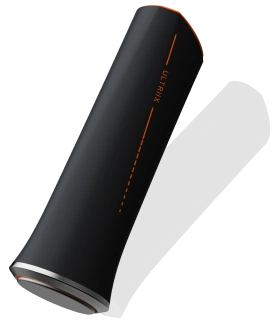
ULTRIIX S1 Tissue Shocker: Engineered to address sports injuries and chronic pain
Through its safety-focused design for home use, it redefines fitness, wellness, and chronic pain care — integrating professional-grade treatment into daily routines and ensuring convenient access at all times and places.
The S1 delivers three core solutions:
Tackles Daily Strain: Repairs discomfort from sports or work overuse.
Prevents Long-Term Issues: Accelerates recovery from fresh injuries to stop acute inflammation from becoming chronic pain.
Manages Chronic Pain: Provides effective treatment to relieve persistent pain and support tissue healing.
beasways
How Daily Habits Quietly Accumulate Physical Stress
To your body, every daily posture is a form of "exercise": running, sitting, standing—they all count. Some energize you, while others merely keep life moving. But when a single action is repeated long enough, that area begins to accumulate inflammation and invisible damage.
If ignored, these minor aches can develop into persistent chronic conditions: pain in the finger joints from overuse, stiffness in the shoulders and neck from constant tension, or that familiar, recurring discomfort in the back.
Most tools on the market (like massage guns) only affect the body's surface. By the time the pain drives you to seek therapy or medication, the damage is often already done. This is precisely why we spent five years evolving a professional-grade chronic pain treatment device into the ULTRIIX
S1。
It retains its deep healing power but now adds wireless, portable, one-button operation, all at a more accessible price. Our goal is to seamlessly integrate professional care into your daily life.
深層舒緩和淺層放鬆Principle Demonstration
Seamless Care For Your Active Life
Your body keeps score of every workout and workday. The ULTRIIX S1 helps you settle the account daily.
Just 5-10 minutes is all it takes to address deep tissue stress from activity and inactivity alike—turning proactive care into a simple, integrated part of your lifestyle.
Use It After Exercise
Consider S1 the final, most crucial piece of your workout gear. While stretching addresses muscles broadly, S1 targets the deep, specific areas of strain and micro-damage, helping to clear metabolic waste and prep your tissues for full recovery. You’ve worked hard; now recover smart.
After Cycling
Target: Back of neck | Knees | Lower back | Hips
After Running
Target: Thighs | Knees | Calves | Ankles | Heels
After Tennis
Target: Shoulders | Elbows | Knees | Ankles
After Soccer
Target: Lower back | Knees | Calves | Ankles
After Basketball
Target: Fingers | Lower back | Knees | Ankles
After Swimming
Target: Shoulders, Lower back, Knees, Ankles
Which area do you use most after the gym or physical activities? Target it!
Use It After a Long Day at Work: Undo the Damage of Inactivity
Just as you close your computer, use S1 to signal your body that work is done. It actively releases the deep, held tension in your back, shoulders, and neck that comes from hours at a desk. This ritual prevents the “workday hunch” from becoming a permanent state, restoring comfort and mobility.
Treat Chronic Pain on Your Schedule
The unpredictability of chronic pain demands a flexible solution. The ULTRIIX S1 is designed for this reality. Its ease of use means you can maintain a consistent care regimen on your terms—whether that’s a morning session to ease into the day or an evening one to unwind. This autonomy is key to sustainable management.
Chronic Pain Types ULTRIIX S1 Addresses
ULTRIIX S1 effectively breaks the cycle of chronic pain, including conditions like chronic tendonitis, degenerative joint disease, and post-traumatic pain.
Portable Vs. Powerful? Why You Shouldn't Have to Pick
Why do both portability and timely effectiveness matter? Since its first medical application in the late 1920s, ultrasound technology has utilized high-frequency sound waves to alleviate pain and promote healing deep within tissues, becoming a cornerstone of physical therapy in clinics worldwide. However, truly effective treatment for chronic pain has traditionally been confined to clinical settings.
Portability is crucial. A portable, cordless, and simple device unlocks new scenarios for intervention—allowing you to repair deep-tissue damage before it evolves into chronic pain and to manage daily discomfort proactively. It means having an accessible solution at hand when pain becomes severe enough to disrupt sleep or mood, providing relief and gently supporting the body's natural recovery process.
Imaging you're hiking up a mountain. Manual kneading of superficial leg muscles helps little when your legs become sore. Therapeutic ultrasound is a far better choice, but you obviously can't bring a corded device up a mountain.
With ULTRIIX S1's cordless, compact, lightweight design, these limitations are no longer an issue.
Deeply solve your soreness on-the-go
Recover fatigued muscles instantly after the race
Push pause on pain no matter where you are
Relieve neck tension on your break
Yet, efficacy cannot be compromised for the sake of portability. Many current portable therapeutic ultrasound devices sacrifice effective energy output to achieve their compact form.
For example, in treating a sprained ankle, the ULTRIIX S1 at a low setting can provide pain relief and reduce swelling within 30-40 minutes on the first day, enabling limited mobility. By the second day, bruising and swelling diminish significantly after a 30-minute session. Typically, three consecutive days of treatment can resolve the sprain.
In contrast, a typical portable home device with reduced power might require 90 minutes to two hours to achieve what the S1 accomplishes in 30 minutes—a duration most users find unsustainable at home, leading them to abandon the device as ineffective and return to expensive clinical therapy.
ULTRIIX For Ankle Acute Sprain: A 3-Day Recovery Outline
Session 1 (2 hrs after injury): Used it for about 40mins. Could walk carefully afterward. No pain when sitting or sleeping.
Session 2 (Next day): Another 30mins. brusing faded and swelling went down noticeably by that night.
Result by Day 3: Back to walking normally, with just a bit of occasional soreness.
*For acute injuries like this, we recommend using a low intensity setting, specifically level 1-3. The enter treatment over the 3 days was carried out using level 3.*
This is precisely why we insisted on preserving the core technology of our clinical-grade system while engineering the ULTRIIX S1 to be portable and rechargeable.
Our goal is to deliver a portable, safe, and easy-to-use device that offers genuinely effective treatment for sports injuries and chronic pain at home—without demanding an excessive amount of your time. With Ultriix S1’s cordless, compact, lightweight design, these limitations are no longer an issue.
The Science Behind ULTRIIX S1: 1.1MHz Pulse Mode Therapeutic Ultrasound
The ULTRIIX S1 employs 1.1 MHz pulsed therapeutic ultrasound. Its mechanism involves the transdermal delivery of high-frequency acoustic waves, which non-invasively reach deep musculoskeletal structures in the form of acoustic micromassage. This process can:
Improve local microcirculation, alleviating cellular hypoxia.
Address pain at its source and promote tissue repair.
Reduce oxidative stress on chondrocytes (potentially delaying cartilage degeneration and osteophyte formation).
Modulate abnormal neuronal excitability associated with neuropathic pain (e.g., burning or electric shock sensations).
Technical Superiority Via Optimized Energy Delivery
A key differentiator is its custom-designed Effective Radiating Area (ERA) transducer. This larger piezoelectric ceramic transducer distributes ultrasonic energy more effectively over a broader surface area, enabling optimal and homogeneous energy delivery to deep tissues at 1.1 MHz.
The result: At the same 1.1 MHz frequency, the ULTRIIX S1 provides deeper-reaching energy and a more powerful treatment at the target depth than devices with smaller transducers, without compromising clinical safety standards.
Threefold Healing Action
1. Mechanical Effect
Induces micromassage and streaming forces, softening tissues, enhancing permeability, reducing edema, and promoting healing.
2. Thermal Effect
Energy absorption generates gentle deep heat, increasing blood flow, metabolic rate, and tissue elasticity while supporting nerve repair via improved vascular supply.
3. Cavitation Effect
Non-thermal bio-effects that enhance membrane diffusion, stimulate cellular repair, and resolve inflammation, accelerating the absorption of exudates and tissue regeneration.
Safety Protection
As a home therapy device, safety is the foremost priority. Ultriix S1 integrates multiple layers of protection to ensure a reliable and risk-aware experience.
No-load protection
ULTRIIX S1: Alternative to Oral Painkiller
The main symptoms following a soft tissue injury are localized pain, and taking oral painkillers is a common practice. However, these medications come with drawbacks. On one hand, they can cause side effects, including potential harm to liver and kidney function, and may lead to dependence. On the other hand, some individuals do not achieve satisfactory results with medication alone.
A key clinical study demonstrates that low-intensity ultrasound therapy provides significant pain reduction comparable to oral medication. This evidence supports ULTRIIX S1 as an effective, non-invasive, and drug-free alternative for sustainable pain management.
How We Made Ultrasound Therapy Affordable No Secrets, Just Heart
Why could we lower the price? We wanted our ultrasound device to be a daily health partner, not just a pain tool—a dream we’ve held close.
We started with wrong turns. Early models were "professional copies": plug-in, bulky, with a pointless screen (costly, yet only for battery/settings). These "complexity-first" choices raised costs and pushed users away.
The "nearly five years" includes a detour until Jason joined in August 2023. He showed us: professionalism isn’t complexity—users want simple, effective care. That’s why the timeline notes August 2023, but we say "nearly five years" to honor the journey.
Balancing medical efficacy with portability, safety, and ease was tough. We optimized circuits for months, tested countless versions. In April 2024, the first prototype was born. From May 2024 to September 2025, we made nearly 1,000 units—tested by employees, families, friends, athletes, and chronic pain sufferers. We adjusted parameters until anyone could use it.
Now, we’ve made a device that heals pain, repairs damage, and fits homes—affordably. This isn’t just a price drop; it’s a breakthrough that gives our traditional company the courage to innovate and go global.
Hear From Real Users Long-Term Experiences with ULTRIIX S1
A review from Juanan Gomez Tri, a triathlon enthusiast passionate about every detail of the sport—training, equipment, and competitions. 🏊♂️🚴♂️🏃♂️
**This review comes from an early tester during our pre-launch phase (not a paid advertisement). **
Is ULTRIIX S1's Ultrasound Technology Effective or a Placebo?
In the response to perspectives that attribute the effects of devices like the ULTRIIX S1 to the “placebo effect”, we believe it is necessary to delineate several fundamental facts.
First: the mechanisms of action are fundamentally different
- Ultrosound: Physical Intervention
The efficacy of therapeutic ultrasound is grounded in clear principles of physics and physiology. Its core therapeutic mechanisms include: Cavitation effect, Thermal effect (deep heating) and Mechanical effect (micro-message).
These effects induce objectively measurable biophysical changes, such as:
Accelerating tissue repair
Improving local blood circulation
Promoting the absorption of inflammatory substances
These changes can be detected via instrumentation (e.g., observing blood flow changes with ultrasound Doppler) or assessed through medical imaging.
- Placebo: Psychological expectation
While the placebo effect can also trigger real physiological responses (e.g., endorphin release), its origin lies in the patient's psychological expectation and conditioning, not in a direct physical or chemical action of the treatment modality itself.
Second, the clinical roles and validation paths differ
- Ultrasound: An established therapy
Therapeutic ultrasound is a mature, active physiotherapy modality with defined clinical indications. It is widely applied in rehabilitating various conditions including soft tissue injuries and osteoarthropathy.
Its efficacy has been validated through extensive clinical practice, leading to standardized operating parameters and contraindications.
- Placebo: A control tool
A placebo, however, is primarily employed as a control tool in clinical trials to isolate the “true” efficacy of a drug or therapy. It is not in itself a “therapy” designed to treat specific diseases.
Third, how should we view research controversies and individual variability?
Divergent conclusions in scientific research on any therapy are normal. These often relate to experimental design, parameter settings, condition type, and individual differences. Just as pharmaceuticals vary in effectiveness between patients, so do physiotherapy outcomes.
However, this does not negate the objective and established basic principle that ultrasound, as a physical agent, interacts with human tissue to produce corresponding biological effects.
A preference among some therapists for other techniques represents a difference in personal choice of treatment protocol, not an indication that ultrasound itself is ineffective.
Regarding the Positioning of the ULTRIIX S1
We developed the ULTRIIX S1 not to prove or re-invent a new technology, but to adapt a nearly century-old physical therapy technology—backed by substantial clinical validation—into a consumer electronics format. Its core value lies in making the deep-tissue therapy experience, once only accessible in hospitals or clinics, convenient and safe for everyday people through designs like wireless operation. It provides a new, accessible auxiliary tool for sports recovery and chronic pain management.
We must emphasize that the ULTRIIX S1 is an auxiliary rehabilitation tool and cannot replace professional medical diagnosis. For acute injuries or severe pain of unknown origin, the first step must always be to consult a doctor. For daily, known issues like post-exercise muscle soreness, strains, or joint overuse, S1 can offer an effective self-management solution based on solid scientific principles.
Equating therapeutic ultrasound with a placebo is an oversimplification that overlooks its profound scientific foundation and clinical history. The significance of the ULTRIIX S1 lies in extending this validated science to a wider audience.
Shipping fees will be collected together after you complete the Survey.
Currently unable to ship to: Ukraine
Technical Specifications
Below are ULTRIIX S1 dimensions, hardware specifications, and output intensity information.
Basic Specifications
Item
Specification
Product dimensions
16.8cm(L) x 5.5cm (W)
Net weight
335g
Battery type
Lithium-ion battery
Battery capacity
2500 mAh
Operating mode
Pulse mode
Rated voltage
11.1 V
Operating frequency
1.1 MHz
Output power
15W
Effective radiating area
6.7 cm²
Output Intensity (8 Levels)
Power Level
1
2
3
4
5
6
7
8
Output power (W)
1.2
2.2
4.2
6.2
8.0
9.7
11.8
13.6
Effective intensity (W/cm²)
0.18
0.33
0.63
0.93
1.19
1.45
1.76
2.03
Additional Specifications
Item
Specification
Pulse duration (ms)
0.2 – 2.8 (±10%)
Pulse repetition period (ms)
10 (±10%)
Duty cycle
2 – 28 (±10%)
Beam nonuniformity ratio (BNR)
≤8.0
Beam type
Collimated
Penetration depth
3 – 8cm
Waterproof rating (probe)
IPX7 (splash-proof; can be briefly immersed)
Safety
Non-radiative, non-invasive physical therapy principle—safe and non-addictive. Built-in smart protection: temperature monitoring (overheat protection) and automatic stop when not in contact with skin (no-load shutdown).
If the product malfunctions, please contact ULTRIIX directly for after-sales support at support@ultriix.com. This product comes with a one-year limited warranty from the date of receipt.
Warranty Coverage
Warranty start date: calculated from the date the product is received.
Warranty after repair: repaired products continue to be covered during the warranty period. If less than three months remain in the warranty period, replaced parts are covered for three months from the replacement date. Removed parts become the property of the manufacturer, and the manufacturer may charge reasonable costs when necessary.
Warranty Exclusions
Software or technical issues not caused by hardware failure.
Products without ULTRIIX branding, or use of accessories not provided by ULTRIIX or purchased through authorized channels.
Routine cleaning or normal maintenance.
Consumables (e.g., casing, connectors, and natural wear/aging of the battery).
Damage caused by improper operation or use outside specified operating conditions (e.g., excessive heat/cold, too humid/dry, high altitude, unstable voltage/current); damage from accidents, abuse, misuse, or overload operation.
Damage caused by improper storage (e.g., rodents, liquid intrusion).
Failures or damage resulting from any disassembly, repair, or modification not authorized by ULTRIIX.
Products serviced by non-ULTRIIX authorized service centers.
Operation Instructions
Power on with a long press, adjust intensity with a click. The ULTRIIX S1 simplifies advanced functions into one button, paired with 8 adjustable intensity levels—so you can focus on healing, not on the controls.
Steps for Use
Power On with Long Press
Press and hold the button for about 2 seconds until the indicator light stays steadily lit.
Select the Appropriate Intensity Level
After powering on, click the button to cycle through the intensity levels (8 levels in total).
Example:The 1st light flashing = Level 1; steadily lit = Level 2. The 2nd light flashing = Level 3; steadily lit = Level 4, and so on.
Apply Coupling Gel
Spread an appropriate amount of ultrasound coupling gel evenly over the device’s probe.
*Note: Coupling gel must be used during operation of the ULTRIIX S1. Do not replace ultrasound coupling gel with any other substance.
Begin Use
Place the probe in full contact with the skin in the treatment area to start the session.
*Safety feature of ULTRIIX S1: The device will automatically shut off after 15 minutes of continuous use.
Important Notes
Before starting, ensure there are no contraindications for the user or the treatment area.
The probe must be in close contact with the skin. If contact is incomplete or if air bubbles are present between the skin and the probe, energy will not effectively reach the muscle tissue.
During use, reapply coupling gel as needed to maintain proper contact.
Check Battery Power
When the device is powered off, briefly press the power button to view the current battery level. The indicator light on the device will display the current battery status.
Firmly press the device against the discomfort point—the deep sore area is the core that requires focused treatment.
Glide-and-Release Method
Slowly glide over larger areas at a pace of 2–3 centimeters per second.
Combining Both Techniques Based on the Scenario:
The Glide-and-Release Method is used for broad-area scanning and preliminary relaxation, while the Press-and-Probe Method is applied for deep, static, and precise treatment of specific pain points.
Reference Application
1. Daily Relaxation and Muscle Maintenance
Goal:Relieve daily fatigue, prevent overuse strain, and promote blood circulation.
Combined Strategy:First glide to scan, then press to focus, and finally glide to release.
Glide and Release (Scanning Phase)
Use low intensity levels (1–3) to slowly glide over fatigued areas such as the neck, shoulders, or lower back.
Feel the overall condition of the muscles, searching for “tight or tender spots” that feel particularly stiff or slightly sore.
Press and Probe (Treatment Phase)
Stop at the stiff or tender points found during gliding and apply steady pressure with the probe. Adjust the intensity to a level that produces a deep but tolerable soreness or pressure sensation (typically levels 3–5).
Maintain static pressure for 30 seconds to 2 minutes until the tension at that point is noticeably relieved or dissipates.
Glide and Release (Release Phase)
After treating the key pain points, glide slowly over the entire area again to help disperse metabolic byproducts, promote overall circulation, and consolidate the relaxation effect.
2. Post-Exercise or After Acute Strain
Goal:Promote recovery, relieve adhesions, and alleviate deep soreness.
Combined Strategy:Focus on gliding around the periphery, with gentle pressure applied away from the injury site.
Glide Around the Periphery
Avoid the epicenter of the sharpest pain. Begin from the healthy tissue surrounding the injured area.
Use low intensity levels (1–3) and glide at an extremely slow pace to promote lymphatic and blood circulation, creating an optimal environment for recovery.
Progressive Gentle Pressure (Recovery Phase)
A few days later, once acute pain subsides, you may attempt gentle press-and-probe techniques on tense muscles near (not directly over) the injury site.
Use low intensity levels and shorten the duration of pressure (15–30 seconds), ensuring no sharp pain is provoked. The goal is to relieve protective muscle spasms.
Key Principle:During this stage, adhere strictly to the rule of “comfort without pain.” The gliding method is primary, while pressing should be applied with extreme caution—its purpose is to assist, not to force treatment.
3. Chronic Pain and Fascial Adhesions (e.g., chronic neck/shoulder pain, lower back pain)
Goal:Release trigger points, break the pain-tension cycle, and restore tissue elasticity.
Combined Strategy:Systematic glide scanning, followed by precise pressure-based repair.
Systematic Glide Scanning (Assessment and Warm-Up)
Perform systematic gliding movements over the painful area and related muscle chains (e.g., for neck pain, include the upper back and shoulder blades) to comprehensively assess muscle tension and the extent of adhesions.
Deep Pressure on Trigger Points (Core Treatment)
When you locate sharp or radiating pain points (i.e., “trigger points” or “myofascial pain points”) during gliding, apply deep pressure.
Place the probe precisely on the point, gradually increase the intensity until a strong yet tolerable soreness or pressure sensation is felt (may require levels 5–7).
Maintain pressure for 1–3 minutes, until the pain significantly decreases or a subtle muscle twitching (“release sensation”) occurs. This is key to releasing deeper adhesions.
Integrative Gliding (Functional Recovery)
After treating all major trigger points, use the gliding method along the muscle fibers to integrate the released areas—as if “combing and aligning” the relaxed muscles—to restore their normal gliding ability.
Safety Usage Guidelines
Key Points for Use
Handle the probe with care. Avoid rough operation and prevent the device from falling to avoid damage.
To ensure effective sound wave transmission, apply a sufficient amount of coupling gel between the probe and the skin before use.
A warm sensation may occur at the treatment site. This is not necessarily related to the severity of the condition. Keeping the ultrasound probe stationary in one spot for an extended period may cause a burning pain. If intense, unbearable heat develops rapidly due to excessive energy output, reduce the intensity immediately.
When treating diseased tissue, it is usually more sensitive to ultrasound. A deep, diffuse soreness or pain sensation that spreads from within outward is actually an ideal indicator for diagnostic or therapeutic release, not a sign of damage.
Although ultrasound can effectively relax muscles and fascia, surrounding soft tissues must also be treated to prevent tension imbalances between overly relaxed and still-tight areas. Otherwise, discomfort or worsening pain may occur.
To achieve synchronized release of surrounding tissues, use the "gliding technique": apply ample coupling gel and move the probe slowly and patiently in circular or sweeping motions. Mild soreness or warmth indicates the technique is being applied correctly.
The recommended treatment time per session for a single area is 5–15 minutes. Deep tissue repair relies on cumulative sessions rather than extending a single session. The total daily treatment time for the same area should not exceed 30 minutes.
For those sensitive to ultrasound, it is recommended to start with the lowest intensity level for the first use and adjust to higher levels after adaptation. Use the lowest effective level for maintenance purposes whenever possible.
Contraindications
Important Note:This list outlines general conditions where ultrasound therapy should be avoided or only administered under direct medical supervision. It is not exhaustive. If you have any medical condition, always consult a healthcare professional before use.
Do Not Use In Cases Of
Cerebral hemorrhage patients (during the unstable phase).
Exposed brain tissue, severe cerebral edema, or increased intracranial pressure.
Active tuberculosis or severe bronchiectasis.
Purulent inflammation, acute sepsis, or persistent high fever.
Bleeding tendency or extensive gastrointestinal ulcers.
Acute cerebrovascular or cardiovascular diseases.
During and within six months after radiation therapy, laser treatment, or radioactive isotope-based cosmetic procedures.
The left shoulder area in coronary heart disease patients; eyes, periocular areas, sympathetic ganglia, or vagus nerve points.
Wearers of cardiac pacemakers.
Malignant tumors (cancer).
Use With Extreme Caution In Cases Of:
Severe diabetes.
Directly over major organs (e.g., liver, kidneys) or large blood vessels.